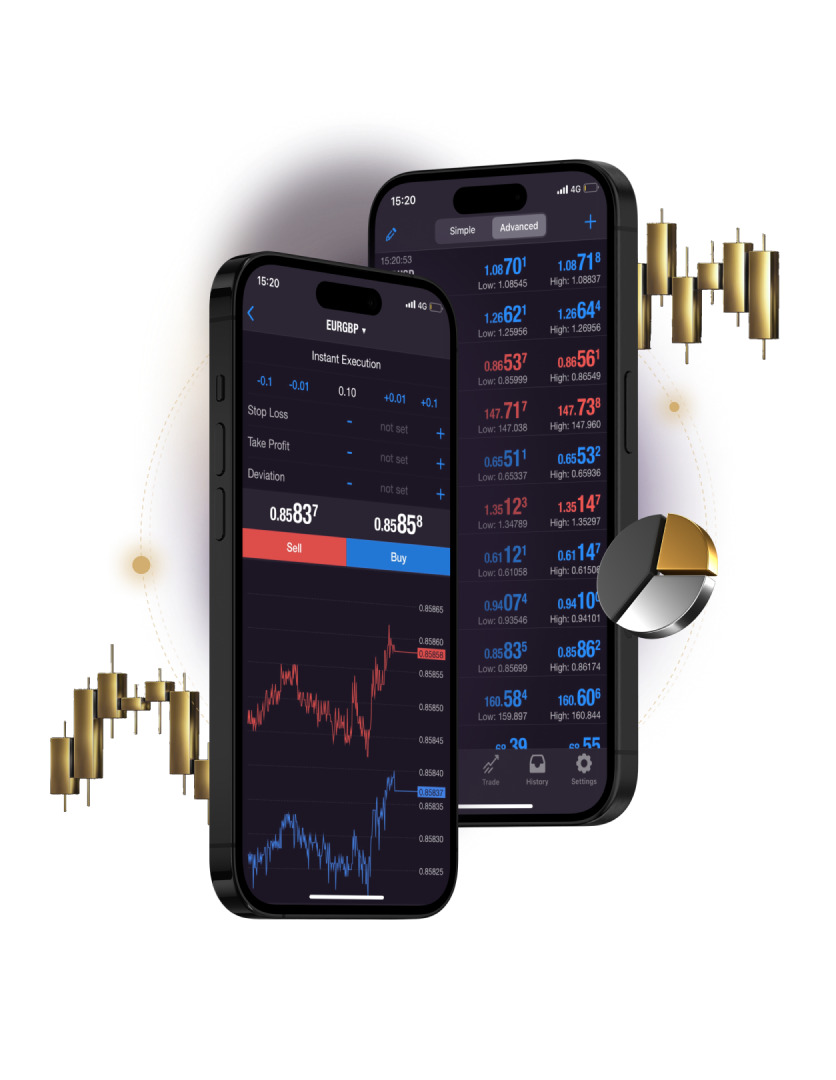
Forex trading, short for foreign exchange trading, is the global marketplace where currencies are bought and sold. Projections estimate that this forex market sees a daily turnover exceeding $6 trillion, making it the largest and most liquid financial market in the world. This remarkable scale attracts traders from all corners—ranging from multinational corporations and central banks to individual investors eager to explore profitable opportunities.
If you’ve recently encountered the term and are curious to uncover what Forex trading involves, this brief guide unpacks its foundational elements.
What is Forex Trading?
At its core, Forex trading is the act of exchanging one currency for another with the aim of profiting from the fluctuation in exchange rates. The market operates in currency pairs—for example, EUR/USD (euro/dollar) or GBP/JPY (British pound/Japanese yen)—allowing traders to speculate on the value of one currency against another. A constant movement in exchange rates is driven by factors like economic data, geopolitical events, natural disasters, and central bank monetary policies, offering countless opportunities for speculation.
Unlike traditional stock markets with fixed hours, Forex operates 24/5, opening in Sydney on Monday morning and closing in New York on Friday night. This global reach and round-the-clock nature make it particularly appealing for individuals looking to trade at their convenience.
Essential Terms to Know
To better grasp Forex trading, it’s essential to understand a few key concepts:
1.Currency Pairs
These pairs represent the currencies being traded, with the first currency (the “base”) compared to the second (the “quote”). For example, in EUR/USD, the euro is the base currency, and the US dollar is the quote currency.
2.Bid and Ask Prices
The bid price is what buyers are willing to pay, while the ask price reflects what sellers are asking. The difference is known as the “spread.”
3.Leverage
This allows traders to control larger positions with smaller amounts of capital, amplifying both profits and potential losses.
Is Forex Trading Right for You?
Approaching Forex trading requires a blend of curiosity, research, and discipline. While its scalable entry-level capital and dynamic opportunities appeal to many, its volatility and leverage add inherent risks. Educating yourself and practicing with demo trading accounts is a prudent first step for aspiring Forex participants.
