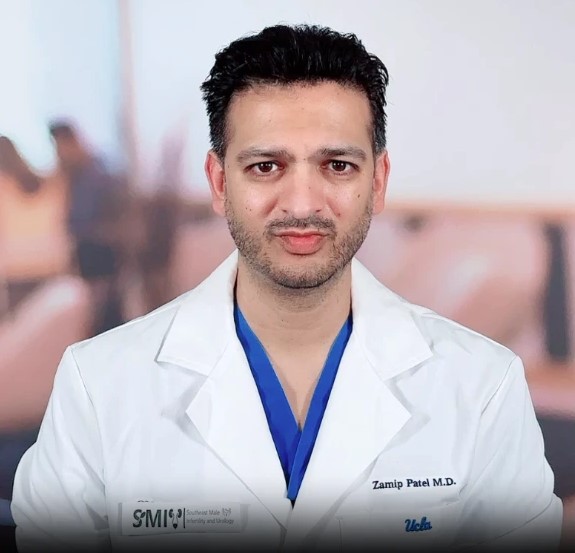
As the field of urology journeys into the future, Dr Zamip Patel, a distinguished leader in the realm, offers insightful perspectives on the transformative innovations and advancements that lie ahead. Driven by a vision of personalized medicine, collaboration, and technological breakthroughs, Dr. Patel envisions a future where patient care reaches unprecedented heights, revolutionizing outcomes and reshaping the landscape of urological practice.
Dr. Patel’s foresight centers on the emergence of precision medicine as a cornerstone of urological care in the future. With a deep understanding of genetics and molecular biology, clinicians will harness the power of personalized treatment approaches tailored to each patient’s unique genetic makeup and disease characteristics. This paradigm shift promises more targeted therapies, fewer side effects, and ultimately, better outcomes for patients.
In the realm of surgical innovationDr Zamip Patel anticipates significant advancements in minimally invasive techniques and robotic-assisted surgeries. As technology continues to evolve, surgical platforms will become increasingly sophisticated, enabling surgeons to perform complex procedures with unparalleled precision and efficiency. These advancements will not only enhance surgical outcomes but also expand the scope of what is achievable in urological surgery, offering new hope for patients facing challenging conditions.
Collaboration emerges as another cornerstone of the future of urology, as Dr. Patel envisions closer integration between urologists and other medical specialties. By fostering multidisciplinary care teams that include experts from oncology, radiology, genetics, and beyond, clinicians can deliver comprehensive, holistic care that addresses the diverse needs of each patient throughout their journey, from diagnosis to survivorship.
Furthermore, Dr. Patel emphasizes the growing importance of patient empowerment in shaping the future of urology. As patients become increasingly informed and engaged in their healthcare decisions, clinicians will need to adopt a patient-centered approach that prioritizes shared decision-making, communication, and collaboration. By empowering patients to actively participate in their care, clinicians can enhance treatment adherence, satisfaction, and ultimately, outcomes.
In conclusion, Dr Zamip Patel perspectives offer a compelling vision of the future of urology, characterized by innovation, collaboration, and personalized care. As the field continues to advance, clinicians like Dr. Patel will play a pivotal role in driving transformative innovations that elevate patient care to new heights. By embracing precision medicine, surgical innovation, collaboration, and patient empowerment, the future of urology holds promise for brighter tomorrows and better outcomes for all.
