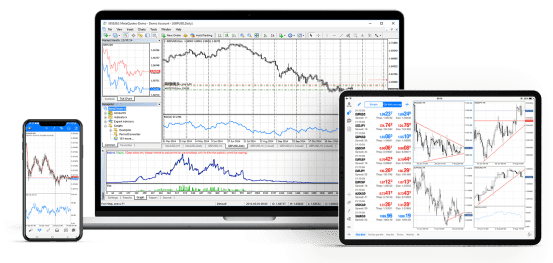
CFD trading allows traders to tap into the world’s financial markets and profit from price fluctuations without owning the underlying asset. However, in volatile markets, where price swings can be more pronounced, having a solid strategy becomes crucial. Whether you are a beginner or an experienced trader, mastering cfd trading strategies can significantly enhance your chances of success.
Understanding Market Volatility
Volatile markets are characterized by rapid price movements, and they are often triggered by economic events, political developments, or even market sentiment. While volatility can increase potential profits, it also introduces higher risks. It’s essential to develop strategies that not only capitalize on market swings but also manage those risks effectively.
Key Strategies for CFD Trading in Volatile Markets
Trend Following: One of the most effective strategies in volatile markets is to follow established trends. By identifying upward or downward trends, you can enter trades that align with the market direction. Tools such as moving averages and trend lines can help spot these trends.
Risk Management with Flexible Leverage: Using flexible leverage allows you to control larger positions with a smaller initial investment. However, in volatile markets, it’s important to use leverage cautiously. Employing stop-loss orders and limiting your position size can help protect your capital while still benefiting from price movements.
Scalping: For those who prefer short-term trades, scalping is a strategy where traders aim to capture small price movements throughout the day. This strategy can be particularly effective in highly volatile environments where small fluctuations can be frequent.
Conclusion
Mastering CFD trading in volatile markets requires a combination of knowledge, strategy, and discipline. By following trends, managing risk with flexible leverage, and using techniques like scalping or range trading, you can navigate the challenges of these dynamic markets. Always stay informed and ensure your strategy aligns with your risk tolerance and trading goals for the best chance at success.
