In the rapidly evolving world of finance, selecting the right CFD trading broker can be a daunting task. With so many options available, how do you know which broker will best serve your needs? This guide aims to simplify that process for you, providing crucial insights and practical tips to help you make an informed decision.
What is a CFD Broker?
Before we dive into the selection process, let’s clarify what a CFD broker is. A CFD broker facilitates the trading of CFDs, which are financial derivatives that allow you to speculate on the price movements of various assets like stocks, commodities, and currencies without owning the underlying asset.
CFDs are popular due to their flexibility and the potential for high returns. However, they also come with risks, making the choice of a reliable broker even more critical.
Importance of Choosing the Right CFD Broker
Choosing the right CFD broker is not just about finding a platform to trade on; it’s about finding a partner who can help you maximize your trading potential while minimizing risks. The right broker will offer a user-friendly platform, competitive fees, robust security, and excellent customer support.
With the right broker, you can focus on analyzing and executing trades rather than worrying about the reliability of your trading platform.
Regulatory Compliance
One of the first things to check when choosing a CFD broker is whether they are regulated by a reputable financial authority. Regulatory compliance ensures that the broker adheres to strict standards of operation, offering a layer of protection for your investments.
Regulated brokers are subject to regular audits and are required to keep client funds in segregated accounts, safeguarding your money.
Trading Platform
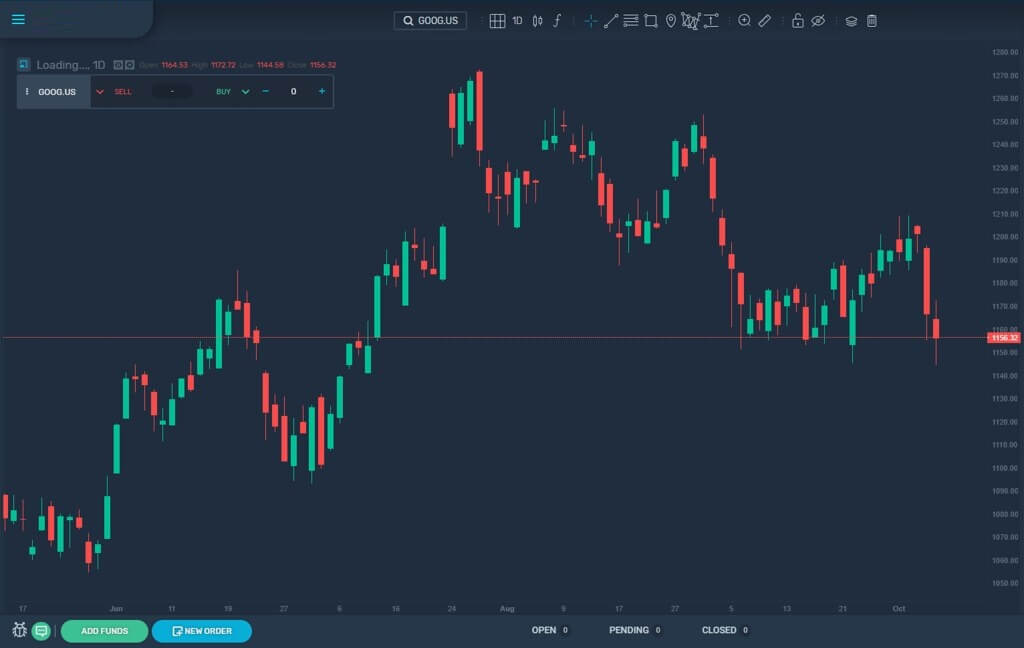
The trading platform is your gateway to the financial markets. A good trading platform should be intuitive, responsive, and packed with useful features. Look for platforms that offer advanced charting tools, technical indicators, and real-time data.
A user-friendly interface can make a significant difference, especially for beginners who are still getting familiar with the world of CFD trading.
Range of Assets
Different brokers offer different ranges of assets for trading. When choosing a CFD broker, it’s essential to ensure that they provide access to the assets you’re interested in, whether it’s stocks, indices, commodities, or cryptocurrencies.
Having a broad range of assets at your disposal allows for greater diversification, reducing risk and increasing the potential for returns.
Fees and Commissions
Fees and commissions can eat into your trading profits, so it’s vital to understand the cost structure of your chosen CFD broker. Look for brokers that offer competitive spreads, low commissions, and minimal additional charges.
Some brokers may also offer tiered pricing based on trading volume, allowing you to save money as you trade more.
Leverage Options
Leverage can amplify your trading gains, but it can also magnify losses. Therefore, it’s crucial to choose a broker that offers flexible leverage options that suit your risk tolerance and trading strategy.
Ensure that you understand the risks associated with high leverage and take advantage of any educational resources your broker offers to educate yourself.
Customer Support
Excellent customer support is a must-have feature for any CFD broker. Look for brokers that offer multiple channels of communication, such as live chat, email, and phone support.
Responsive and knowledgeable customer support can save you a lot of headaches, especially when you encounter issues or have questions about your account.
Security Measures
Security should be a top priority when choosing a CFD broker. Ensure that the broker uses advanced security measures like encryption, two-factor authentication, and secure socket layers (SSL) to protect your data and funds.
Reputable brokers will also have insurance policies in place to cover client funds in case of unforeseen circumstances.
Research and Education
A good CFD broker should offer a wealth of educational resources to help you improve your trading skills. Look for brokers that provide webinars, tutorials, articles, and research reports.
Having access to high-quality educational material can make a significant difference in your trading success, especially if you’re new to CFD trading.
Demo Accounts
Many brokers offer demo accounts that allow you to practice trading with virtual money. This is an excellent way to get a feel for the platform and test your strategies without risking real money.
Using a demo account can help you become more comfortable with the trading platform, making your transition to live trading smoother and more confident.
Reviews and Reputation
Lastly, don’t underestimate the importance of reviews and reputation. Look for brokers with positive reviews and high ratings from other traders. Online forums, social media, and review websites can provide valuable insights into the broker’s reliability and performance.
A broker with a solid reputation is more likely to offer a trustworthy and satisfactory trading experience.
Conclusion
Choosing the right CFD broker is a crucial step in your trading journey. By considering factors such as regulatory compliance, trading platform, range of assets, fees, leverage options, customer support, security, educational resources, demo accounts, and reputation, you can make an informed decision that aligns with your trading goals.
Ready to start trading? Begin your search for the perfect CFD broker today and set yourself up for success in the exciting world of CFD trading. Happy trading!
